
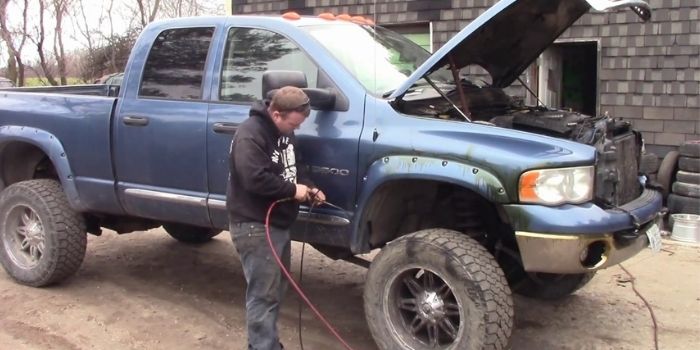
Undercoating is basically giving your truck an extra shield on the underside.
A thick layer—usually rubber or tar-based—is sprayed on to help protect against rust, corrosion, and all the grime and road debris your truck runs into.
Some trucks come with it straight from the factory, but plenty of folks get it added later as an aftermarket job.
A lot of drivers swear by undercoating to keep their trucks looking good and lasting longer. But like most things, it’s not all upside—there are a few downsides worth thinking about too.
At the end of the day, whether or not you undercoat your truck really comes down to your driving habits, the weather where you live, and what you’re willing to spend.
Advantages of Undercoating Truck
If you love your truck and plan to keep it around for years, undercoating isn’t just an optional add-on—it’s a smart layer of defense.
Think of it as a shield for the underside of your ride, protecting it from the daily punishment of the road. Here’s why many truck owners swear by it:
1. A Strong Defense Against Rust and Corrosion
Your truck’s underbody is constantly exposed to water, salt, dirt, and road grime—all of which can eat away at bare metal.
Undercoating acts like a protective barrier, sealing off the frame, fuel lines, and floor pans from corrosion.
Instead of metal taking the hit, road debris bounces off the undercoating. While no coating lasts forever, a good application can keep rust at bay for several years with minimal upkeep.
2. Quieter Rides with Noise Insulation
If you’ve ever noticed how loud road noise can get inside the cabin, undercoating helps with that too. It dampens vibrations, rattles, and the constant hum of tires on pavement.
Technically, the rubberized layer absorbs sound frequencies before they reach the cabin. This becomes especially noticeable on rough roads, long drives, or if you’re hauling loads that make your truck rattle more than usual.
3. Extra Cushion Against Impact Damage
No, undercoating won’t make your truck bulletproof—but it does absorb small shocks.
Whether it’s gravel, loose asphalt, or the occasional pothole, the coating takes some of the beating instead of the metal underneath. Over time, this reduces wear and tear on critical underbody parts.
4. Easier Cleaning and Maintenance
Mud, slush, and grime love to cling to untreated metal. With undercoating, these nuisances slide off more easily, making wash-downs less of a chore.
More importantly, moisture doesn’t stick around long enough to start eating away at the frame or suspension components. In other words, you’re saving yourself from hours of scrubbing and expensive rust repairs.
5. A Cleaner, More Finished Look
Undercoating isn’t just practical—it makes your truck look well-kept underneath. The dark, even finish hides imperfections, covers exposed welds, and gives your underbody a uniform, professional appearance.
For many truck owners, it’s a point of pride knowing their ride looks sharp from every angle—even the bottom.
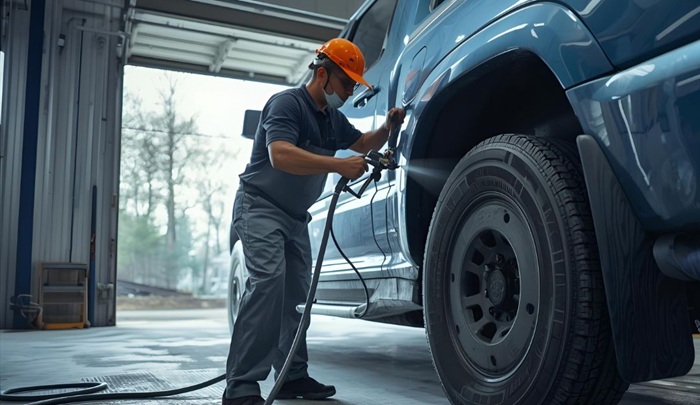
Disadvantages of Undercoating Your Truck
While undercoating has plenty of benefits, it’s not without a few drawbacks. Knowing these downsides will help you make a smart, informed decision before you commit:
1. Tricky Application if Not Done Right
Applying undercoating isn’t just about spraying and walking away. Miss a spot, and that area is left unprotected, giving rust the perfect chance to sneak in. Uneven coats can also trap moisture, which defeats the purpose altogether.
Unless you’re confident in doing it yourself, it’s usually best to have a professional apply it with the right prep work—cleaning, drying, and sometimes even sanding the metal surface first.
2. Messy and Inconvenient Process
There’s no sugarcoating it—undercoating can be messy. The spray tends to drip and stick, and if it gets on your clothes, shoes, or hair, it’s a pain to clean off.
The fumes are also strong, which means you’ll need a well-ventilated workspace, gloves, and protective gear. This isn’t exactly a quick weekend DIY project unless you’re prepared.
3. Added Cost Over Time
Undercoating isn’t the most expensive upgrade, but it’s not free either. A quality job at a shop can run a few hundred dollars, and even DIY kits cost more than a regular can of paint.
Plus, undercoating typically lasts 3 to 5 years depending on road conditions and climate, so it will need reapplication if you plan on keeping your truck long-term. Think of it as a recurring maintenance expense rather than a one-time fix.
4. Tough to Remove Once Applied
If you ever change your mind or want to switch to a different type of protective coating (like ceramic or specialized rustproofing), removing undercoating isn’t easy.
It usually requires sanding, scraping, or even sandblasting the surface, which can be time-consuming and costly.
5. Can Hide Existing Rust Problems
This is a big one for older trucks. If rust has already started, spraying undercoating over it won’t make it disappear. In fact, it can seal in the problem and allow corrosion to spread underneath the coating where you can’t see it.
That’s why proper prep—cleaning, treating, or removing rust before spraying—is absolutely essential. Skipping that step could lead to even more expensive repairs down the road.
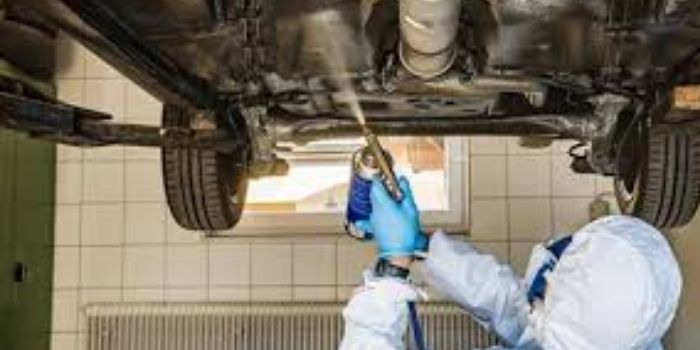
What is the Best Undercoating for My Old Truck?
If you ask ten truck owners about the best undercoating, you’ll probably get ten different answers.
The truth is, there isn’t a single “one-size-fits-all” solution—it really depends on where you live, how often you drive, and what kind of roads you put your truck through.
Over the years, I’ve tried a few different products, and these are the ones that worked best for me:
Woolwax Automotive Undercoating – This is my go-to during harsh winters. It’s lanolin-based (yep, sheep’s wool oil) and stays soft instead of cracking or drying out.
What I really like is how well it resists salt corrosion—perfect if you’re in an area where the roads are constantly salted.
3M Professional Grade Rubberized Undercoating – When I know my truck will be hitting gravel or rough backroads, this is the one I trust.
The rubberized layer not only protects the metal but also cuts down on road noise, which makes long drives a lot more comfortable.
Rust-Oleum Professional Grade Undercoating Spray – I’ve used this as a budget-friendly option, and honestly, it does the job pretty well for trucks that aren’t constantly battling salt or off-road abuse. It’s easy to apply and great for keeping things simple.
From my experience, it all comes down to your environment and driving habits. If you’re constantly fighting salty roads, Woolwax is hard to beat.
For rough terrain and noise control, 3M is worth the investment. And if your truck mostly sees smooth highways, Rust-Oleum gives you solid protection without breaking the bank.
How to Undercoat a Truck – Can You Do It Yourself?
You can undercoat your truck yourself, but it’s not one of those quick DIY jobs you knock out in an hour. It’s messy, takes patience, and if you don’t prep properly, the whole effort can go to waste.
If you’ve got the tools, space, and a free weekend, doing it yourself can save a decent chunk of money and give you peace of mind knowing the job was done right.
But if you don’t want to deal with the mess, fumes, and hours of prep work, a professional shop is worth every penny. They’ve got lifts, spray guns, and industrial cleaners that make the job faster and cleaner.
That said, if you don’t mind rolling up your sleeves and getting a little dirty, it’s a pretty satisfying project. I’ve done it myself, and here’s how I usually go about it:
Step 1: Get it squeaky clean
The cleaner the surface, the better the coating sticks. I always start with a pressure washer—soap and water first, then a second rinse to get rid of grease and grime.
On my first attempt, I rushed this step and paid for it later with peeling spots, so now I make sure the undercarriage is spotless. If you’ve got rust, a wire brush or rust converter is your best friend. Trust me, don’t skip this step.
If your truck has surface rust (and most do, especially if you’re in a salty road state), deal with it before spraying anything. I use a rust-inhibitive primer on those spots. Without this, you’re basically sealing in the problem and letting it fester out of sight.
Step 2: Pick your weapon
I’ve tried a few methods:
- Aerosol sprays – super convenient for touch-ups, but I wouldn’t use them for the whole underbody.
- Brush-on coatings – thicker, decent for small areas, but it’s hard to get an even finish.
- Undercoating gun + compressor – the best results, hands down. The coverage is smooth, and you can really get into all the nooks and crannies. This is my go-to now.
Step 3: Spray it on, clean up, and check your work
Here’s where the fun (and mess) begins. I make sure to hit the wheel wells, frame rails, and all those hidden corners where moisture likes to hide.
I usually do two coats, letting the first one set before going over it again. Afterward, I let the truck sit for at least 24 hours before driving—it’s tough being patient, but it’s worth it.
Undercoating gets everywhere. I’ve ruined a pair of jeans doing this, so now I wear old clothes, gloves, and goggles. Once the job is done, I walk around with a flashlight to check for thin spots or misses. It feels good knowing I covered every inch.
Which is Better for My Truck – Rust Proofing or Undercoating?
This is one of the most common questions truck owners ask, and the truth is—there’s no universal answer.
Both rust proofing and undercoating serve the same overall purpose (protecting your truck from corrosion), but they work in different ways and are better suited for different situations.
Rust Proofing
Rust proofing is a chemical treatment applied inside the hidden cavities of your truck—think doors, rocker panels, fenders, frame rails, and seams—anywhere moisture and salt tend to collect.
Instead of coating the outside, it seeps into those tight spaces and prevents rust from forming where you can’t see it.
- Best for: Drivers in areas with harsh winters, salted roads, or high humidity.
- Advantages: Penetrates seams and crevices where rust usually starts, long-lasting protection.
- Downside: Doesn’t provide much defense against physical impacts like gravel or road debris.
Undercoating
Undercoating, on the other hand, is sprayed directly onto the underside of the truck—the frame, wheel wells, floor pans, and suspension components.
It creates a thick, rubberized shield that blocks moisture, dirt, salt, and even reduces road noise.
- Best for: Trucks that regularly drive on gravel roads, muddy trails, or construction zones.
- Advantages: Absorbs impact damage, dampens noise, makes cleaning easier, and gives the underside a clean, finished look.
- Downside: Needs reapplication every few years, and improper prep can trap rust underneath.
Which One Should You Choose?
When it comes to choosing between rust proofing and undercoating, the right option really depends on your situation.
If you live near the coast or in an area where roads are heavily salted during winter, rustproofing your truck is almost essential since it protects those hidden seams and cavities where corrosion usually begins.
On the other hand, if you spend a lot of time driving on gravel roads, muddy trails, or rough construction zones, undercoating is the better choice because it shields the exposed underside from impact damage and grime.
For truck owners who want maximum long-term protection, the smartest move is often to combine both—using rust proofing to safeguard the internal panels and undercoating to create a durable outer shield.
Ultimately, your decision should come down to your climate, driving conditions, and how long you plan on keeping your truck.
At the end of the day, the “best” undercoating isn’t about what brand your buddy swears by—it’s about finding the one that fits your truck’s lifestyle (and yours). For me, that mix has changed depending on where I’ve lived and how I’ve used my truck, and it might for you, too.