
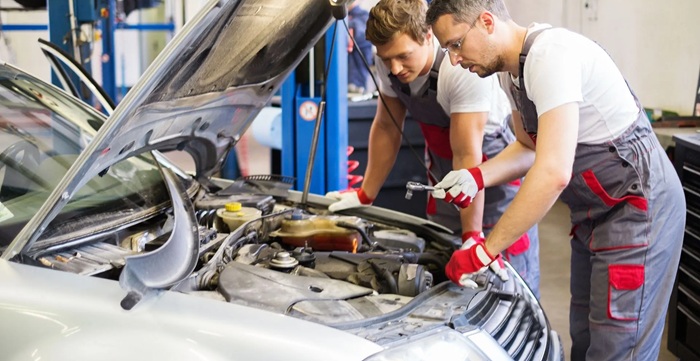
Finding a reliable auto repair shop can make a big difference in your vehicle’s performance, safety, and long-term maintenance costs. Whether you commute daily, drive long distances, or navigate snowy roads during winter, your vehicle needs proper care from qualified professionals.
However, with so many garages and service centres available, choosing the right one can feel overwhelming. The good news is that a little research can help you avoid unnecessary expenses and find a mechanic you can trust.
Here are 10 practical tips to help you choose the right auto repair shop for your vehicle.
1. Check Online Reviews and Ratings
Start by checking customer reviews of an auto repair shop on Google and other reputable review platforms. Look for consistent feedback about service quality, pricing, communication, and repair reliability.
One negative review doesn’t necessarily mean a shop is unreliable. However, repeated complaints about unexpected charges, unfinished repairs, or poor customer service should raise concerns.
2. Ask Friends and Family for Recommendations
Personal recommendations are often a great way to find a trustworthy mechanic. Ask friends, family members, or coworkers about their experiences with local repair shops.
Find out whether the auto repair shop explains repairs clearly, completes work on time, and charges reasonable prices. Recommendations from people who own a similar vehicle can be particularly helpful.
3. Look for Qualified and Experienced Technicians
Modern vehicles use advanced electronics, sensors, and computer-controlled systems. Therefore, choosing a shop with trained and experienced technicians is important.
Ask about relevant certifications, such as Automotive Service Excellence (ASE), where applicable, or provincial trade qualifications. Also, check whether the shop has experience working on your vehicle’s make, model, and year.
4. Compare Repair Estimates
Before authorizing a major repair, request written estimates from two or three reputable shops. Compare labour charges, parts costs, diagnostic fees, and estimated completion times.
Remember that the cheapest quote isn’t always the best option. A significantly lower price may reflect differences in parts quality or the work included.
Ask for a clear breakdown so you understand exactly what you’re paying for.
5. Confirm Warranty Coverage
A reliable repair shop should explain its warranty policy before beginning work. Ask how long the warranty lasts and whether it covers both parts and labour.
Warranty terms can vary depending on the shop, manufacturer, and parts supplier. If you purchase replacement parts yourself, the shop may not cover those parts under its own warranty.
Always request written warranty details and keep your repair invoice for future reference.
6. Make Sure the Shop Specializes in Your Vehicle
Not every garage is equally equipped to repair every type of vehicle. Some specialize in domestic vehicles, while others focus on imported cars, hybrids, electric vehicles, or specific manufacturers.
If you drive a hybrid or electric vehicle, look for technicians with appropriate high-voltage safety training and diagnostic equipment.
Choosing a shop familiar with your vehicle can help reduce diagnostic errors and unnecessary repairs.
7. Evaluate Communication and Customer Service
Pay attention to how the staff communicate with you from your first interaction. Do they listen carefully to your concerns? Do they explain technical problems in straightforward language?
A trustworthy mechanic should help you understand which repairs are urgent and which can wait. They should also seek your approval before proceeding with additional work, in accordance with applicable provincial requirements.
Clear communication helps prevent misunderstandings and unexpected bills.
8. Ask About Parts Quality
Auto repair shops may use original equipment manufacturer (OEM) parts, aftermarket parts, or remanufactured components. Each option can have different costs, warranties, and performance characteristics.
Ask which parts the shop recommends and why. Depending on the repair, a quality aftermarket part may offer good value, while certain components may benefit from OEM specifications.
Make sure the shop explains the options before you make a decision.
9. Check for Proper Licensing and Insurance
Requirements for automotive repair businesses vary across provinces and territories. Check whether the shop complies with the regulations applicable to its location.
You can also ask whether the business carries appropriate liability insurance. These checks help you feel more confident that you’re dealing with an established professional.
10. Consider Convenience and Availability
Finally, consider practical factors such as location, operating hours, appointment availability, and transportation options while your vehicle is being repaired.
A nearby shop may be convenient, but quality should remain your priority. Ask whether the shop offers a shuttle service, loaner vehicle, or courtesy inspection if those services matter to you.
Also, find out how the shop handles emergency repairs and whether it can accommodate seasonal maintenance before winter driving conditions arrive.
Final Thoughts
Choosing the right auto repair shop involves more than finding the lowest price or the closest garage. Look for qualified technicians, transparent estimates, dependable warranties, quality parts, and clear communication.
Taking time to research your options can help you avoid unnecessary repairs, protect your vehicle’s value, and drive with greater confidence. Once you find a shop that consistently delivers honest service and quality workmanship, building a long-term relationship with that mechanic can make vehicle ownership much easier.